
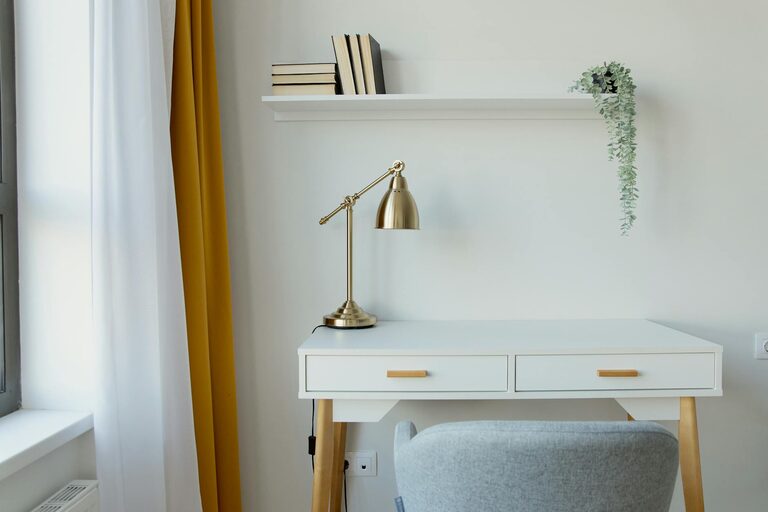
Creating a cozy and functional home workspace is essential for anyone looking to boost productivity while feeling comfortable throughout the day. Whether you work remotely full-time or need a dedicated spot for occasional tasks, designing an efficient workspace can make a big difference. In this post, we’ll explore practical steps and helpful ideas that will transform your home office into a space you love to spend time in.
Why a Cozy and Functional Workspace Matters
A workspace that balances comfort and function helps reduce distractions, maintains motivation, and supports healthy habits. When you feel relaxed yet organized, you’re more likely to focus, complete tasks efficiently, and avoid burnout. Plus, a well-designed workspace contributes to your overall wellbeing by reducing physical strain and promoting a positive mindset.
Choosing the Right Location
The first step is selecting the best spot in your home for your workspace. Consider these factors:
– Natural Light: Aim for a location with plenty of daylight. Natural light can boost mood and energy.
– Quiet Environment: Pick a quiet area away from heavy foot traffic and noise to minimize interruptions.
– Space Availability: Choose a spot that provides enough room for your equipment, storage, and movement.
– Connectivity: Ensure that the location has strong Wi-Fi or the option to connect to your internet reliably.
If dedicated rooms aren’t available, even a corner in your living room or bedroom can be transformed with the right setup.
Essential Furniture for Comfort and Efficiency
Your furniture choices are key to creating a workspace that supports long hours of work without discomfort.
Desk
Select a desk that fits your space and needs. Some points to consider:
– Size: Should hold your computer, keyboard, and any necessary materials without crowding.
– Height: Adjustable desks or ones at the right height prevent poor posture.
– Storage: Desks with built-in drawers can help keep clutter away.
Chair
Invest in an ergonomic chair with good lumbar support. Features to look for:
– Adjustable height and backrest
– Comfortable cushioning
– Swivel and mobility options for easier movement
Good seating reduces back pain and helps maintain focus.
Organizing Your Workspace
A clutter-free workspace promotes concentration and efficiency. Use these strategies:
– Use Storage Solutions: Shelves, drawers, and organizers keep office supplies neatly arranged.
– Cable Management: Use clips or cable sleeves to avoid tangles and keep cords out of sight.
– Minimalism: Keep only the essentials on your desk to avoid distractions.
Regular tidying up at the end of the day helps maintain order.
Adding Cozy Elements
Comfort is a big part of creating a space where you want to spend time. Consider adding:
– Soft Textiles: A small rug, cozy throw blanket, or cushion can warm up the space.
– Greenery: Houseplants improve air quality and add a touch of nature.
– Personal Touches: Photos, artwork, or decorative items help make the space inviting.
– Lighting: In addition to natural light, add a desk lamp with adjustable brightness to avoid eye strain.
These touches make your workspace feel more welcoming and relaxing.
Enhancing Productivity with Smart Tools
Using the right tools can streamline your work and reduce frustration:
– Monitor stands: Improve ergonomics by positioning screens at eye level.
– Keyboard and mouse: Comfortables options reduce strain.
– Noise-canceling headphones: Help block distractions if your environment is noisy.
– Planner or digital calendar: Keep track of tasks and deadlines efficiently.
Investing in these can boost your work experience.
Maintaining Healthy Habits
Your workspace design can encourage good habits such as:
– Taking breaks: Set reminders to stand up, stretch, or walk around.
– Hydration: Keep a water bottle nearby to stay hydrated.
– Proper posture: Adjust chair and desk to maintain a comfortable posture.
Healthy habits contribute to sustained comfort and productivity.
Final Thoughts
Designing a cozy and functional home workspace doesn’t require a large budget or a dedicated room. By thoughtfully choosing your location, furniture, and organizing your space, you can create an environment that supports your work and well-being. Add personal and cozy touches to make it a place you enjoy, and incorporate tools and habits that boost productivity. With these tips, your home workspace can become a productive and pleasant place to get things done.