
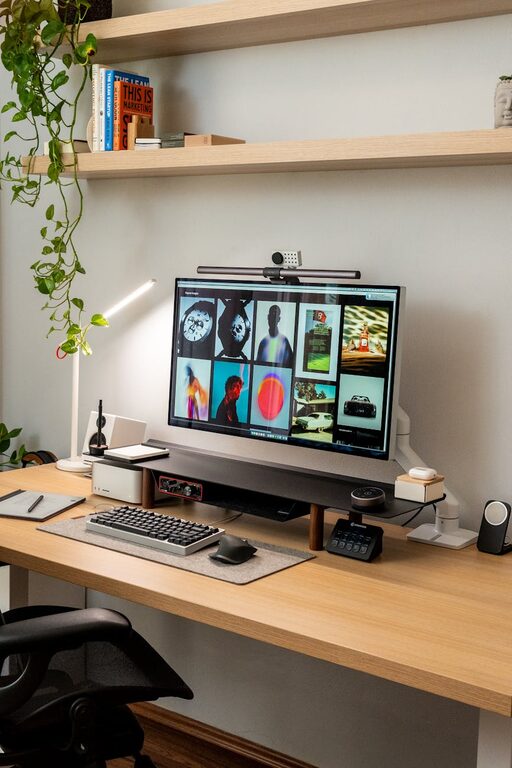
Creating a relaxing home workspace is essential for maintaining focus and productivity, especially when working remotely or managing tasks at home. A well-designed workspace not only promotes efficiency but also supports your well-being by reducing stress and fatigue. In this post, we’ll explore practical tips to help you create a comfortable, calming work area that boosts your performance and makes working from home more enjoyable.
Why a Relaxing Workspace Matters
Your workspace influences your mood, energy levels, and ability to concentrate. A cluttered, uncomfortable, or noisy environment can increase stress and reduce productivity. Conversely, a tidy, inviting, and well-organized space encourages clear thinking and sustained focus. Making your work area relaxing is about balancing function with comfort to support long hours of work without feeling drained.
Choose the Right Location
Find a Quiet Spot
Select a part of your home where you can work with minimal interruptions. Ideally, this should be away from heavy foot traffic, household noise, or distractions like the TV.
Consider Natural Light
Natural light boosts mood and alertness, so choose a spot near a window if possible. Avoid glare on your screen by positioning your desk perpendicular to the window.
Invest in Comfortable Furniture
Ergonomic Chair
A good chair supports your posture and reduces strain on your back and neck. Look for adjustable features like height, lumbar support, and armrests.
Desk Height and Size
Your desk should have enough surface area to hold your equipment comfortably, yet fit well in the space. The height should allow your elbows to rest at about 90 degrees while typing.
Personalize Your Space for Calmness
Use Soothing Colors
Soft, neutral colors such as light blues, greens, or beige create a calming atmosphere. You can add pops of color through accessories if you like a bit more vibrancy.
Add Plants
Indoor plants can improve air quality and add a touch of nature, which is known to reduce stress and increase creativity.
Incorporate Personal Items
Personal touches like a favorite photo, inspiring artwork, or a small decorative item can make your workspace feel welcoming and motivating.
Organize to Reduce Clutter
Use Storage Solutions
Keep your desk clear by using shelves, drawers, or organizers for supplies and documents. A tidy space reduces distractions and makes it easier to find what you need.
Develop a Filing System
Whether digital or paper, having an efficient way to organize files helps maintain order and saves time.
Control Lighting and Noise
Adjustable Lighting
Besides natural light, have lamps with adjustable brightness to avoid eye strain, especially during evening hours.
Minimize Noise
If noise is unavoidable, consider noise-canceling headphones, soft background music, or white noise machines to create a peaceful environment.
Incorporate Break Spaces and Movement
Create a Relaxation Corner
If space allows, set up a separate spot with a cozy chair or cushions where you can take short breaks to stretch or relax.
Encourage Movement
Incorporate small movements like standing, stretching, or walking briefly to keep energy levels up and reduce fatigue.
Maintain a Healthy Routine
Set Work Hours
Define clear work times to separate work and personal life, which helps reduce burnout.
Keep Hydrated and Snack Wisely
Keep a water bottle and healthy snacks nearby to maintain energy without interrupting your workflow too much.
Practice Mindfulness
Take moments during your day for deep breathing or short mindfulness exercises to refresh your mind.
Conclusion
Designing a relaxing home workspace is about creating an environment that balances comfort, organization, and functionality. By choosing the right location, investing in ergonomic furniture, personalizing your area, and maintaining order, you can enhance your productivity and enjoy working at home more. Taking care to manage lighting, noise, and movement also supports well-being throughout the day. Implement these tips to transform your workspace into a relaxing, productive haven.