
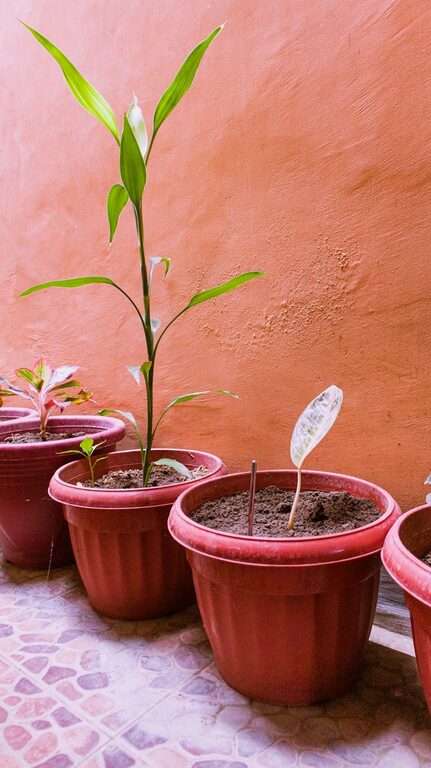
Creating a sustainable home garden that thrives all year round is a rewarding way to connect with nature, reduce waste, and enjoy fresh, homegrown plants. Whether you have a small backyard or just a few pots on your balcony, there are many steps you can take to build a garden that’s good for the environment and enjoyable throughout the seasons.
Below, we explore practical tips and strategies to help you establish and maintain a sustainable garden no matter the time of year.
Why Choose a Sustainable Home Garden?
A sustainable garden focuses on practices that conserve resources, support biodiversity, and minimize environmental impact. Such gardens:
– Reduce water and energy consumption
– Enhance soil health naturally
– Encourage local wildlife, like bees and butterflies
– Limit chemical use by avoiding harmful pesticides and fertilizers
By gardening sustainably, you create a healthier space that benefits both you and the planet.
Planning Your Year-Round Garden
1. Assess Your Space and Climate
Understanding the conditions where you live is the first step:
– Note sun exposure patterns: some plants need full sun, others prefer shade
– Check your region’s climate: knowing average temperatures and rainfall helps you pick suitable plants
– Measure available space: this affects how many and what types of plants you can grow
2. Choose Native and Adapted Plants
Native plants are naturally suited to your local environment. They often require less water and care, and support local wildlife. Consider mixing in plants adapted to your climate as well, for variety and resilience.
3. Plan for Seasonal Changes
Design your garden so it stays productive or visually appealing through each season:
– Plant a variety of species with different growing seasons
– Include evergreen plants for winter interest
– Rotate crops in vegetable beds to maintain soil nutrients and reduce pests
Soil Health: The Foundation of Your Garden
Healthy soil leads to healthy plants. Here’s how to look after it sustainably:
1. Composting
Start a compost pile or bin using kitchen scraps and garden waste. Compost enriches soil naturally and reduces the need for chemical fertilizers.
2. Mulching
Apply organic mulch like straw, leaves, or wood chips to:
– Retain moisture
– Suppress weeds
– Add nutrients as the mulch breaks down
3. Avoid Over-Tilling
Excessive digging can disturb soil structure and organisms. Use gentle cultivation methods and consider no-dig gardening beds.
Water Wisely
Water is often a precious resource, so conserve it by:
– Collecting rainwater in barrels for irrigation
– Watering early in the morning or late in the day to minimize evaporation
– Using drip irrigation or soaker hoses that deliver water directly to roots
– Planting drought-tolerant and native species that need less water
Encourage Biodiversity
A garden rich in different plants creates a welcoming habitat for pollinators, birds, and beneficial insects. You can support biodiversity by:
– Planting flowers that attract bees and butterflies
– Creating habitats like small ponds, birdhouses, and logs for shelter
– Avoiding pesticides and herbicides to protect beneficial creatures
Year-Round Gardening Techniques
1. Succession Planting
This involves planting crops in intervals so that when one crop finishes, another is ready to grow. It keeps your garden productive and reduces empty space.
2. Cold Frames and Greenhouses
Use simple cold frames or small greenhouses to extend your growing season during colder months. These structures protect plants from frost and wind while letting in sunlight.
3. Indoor Gardening
Grow herbs, leafy greens, or seedlings indoors on windowsills or under grow lights during winter. This keeps fresh produce within reach year-round.
4. Crop Rotation
Rotate plant families in your vegetable beds to prevent soil depletion and reduce pests and diseases.
Pest and Weed Management Naturally
Instead of harsh chemicals, try these sustainable methods:
– Encourage natural predators like ladybugs and birds
– Use companion planting, such as marigolds with tomatoes, to deter pests
– Remove weeds by hand or with shallow cultivation
– Apply organic pest treatments like neem oil when necessary
Final Thoughts
Building and sustaining a home garden throughout the year takes thought and care, but it is deeply rewarding. By choosing plants wisely, caring for your soil and water resources, and supporting local wildlife, you create a beautiful, resilient ecosystem. Sustainable gardening not only benefits your home but also contributes positively to the broader environment.
No matter your level of experience, start with small steps and enjoy the process of watching your sustainable garden flourish through every season. Happy gardening!